
A New Season, A New Doctor…
By 1984 change was afoot once again for Doctor Who as Peter Davison confirmed his departure from the role after three years in the role, the shortest duration since the 1960s. This decision was made apparently in part due to a recommendation with Patrick Troughton during the making of The Five Doctors, but also due to the scripts of the prior season and issues surrounding them.
Producer John Nathan-Turner soon found himself a Sixth Doctor in the form of Colin Baker, a character actor who had appeared as Commander Maxil in the preceding Season opener Arc of Infinity. Following the actor making a positive impression at a wedding he attended, JNT auditioned the actor for the role and the rest is (unfortunately troubled) history. The decision was also made to air Baker’s first serial in the role as the season closer, as to avoid a nine-month gap before the next season.
With the transition from Doctor’s Five to Six, the entire TARDIS crew would also change – Tegan (Janet Fielding) and Turlough (Mark Strickson) would depart, and Peri Brown (Nicola Bryant) would join (Kamelion also leaves but only appears in his final story here this season anyways.) The Doctor’s personality would also drastically shift, with a manic and divisive portrayal in Baker’s debut The Twin Dilemma, which was ranked bottom in the 2013 episode poll – which considering some of the stinkers DW has had is quite an achievement.
Warriors of the Deep:
Continuing the returning foes from older eras, WotD saw the return of theSilurians and Sea Devils, over ten years after either prehistoric race appeared during the Pertwee era, as they take over an undersea military base in an attempt to coerce its inhabitants to utilise their nuclear weapons on an opposing bloc to start a war and wipe out the human race for good, thus returning the land to their races.
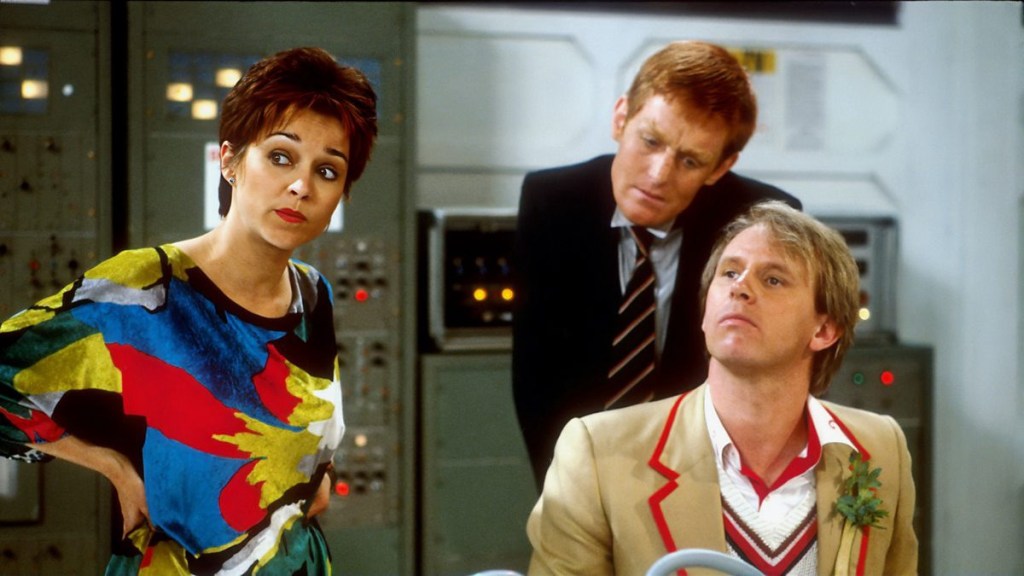
On paper it’s a solid base-under-siege premise that wouldn’t be out of place in the Troughton era, but in execution various production issues, namely requirements to have the story filmed sooner, resulted in a story that never quite lived up to its potential, sporting some laughable moments like a flimsy foam door “falling” on Tegan.
The Silurians and Sea Devil outfits sometimes reveal too much of the actors underneath, the sets, though understandably well-lit, look a bit garish at times which undermines story moments, like the advance of the Myrka, a large monster who is meant to be a destructive force, but is woefully realised as a pantomime horse-like creature, flopping about as guest star Ingrid Pitt’s character tries Karate kicking it and getting killed in the process.
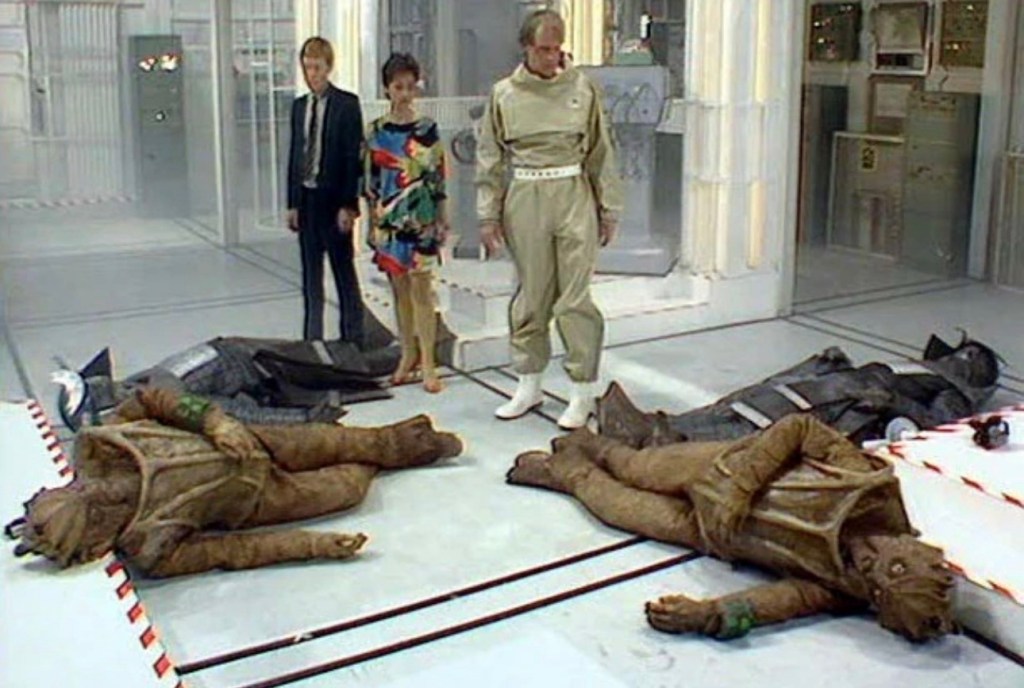
Despite the production issues the TARDIS crew are on good form here, and I think Tegan and Turlough make for the best accompaniment to the Fifth Doctor overall. I also thought the redesigns for the Silurians worked reasonably well – the samurai-style outfits suited them, though the flashing lights for the Silurians seemed very unnecessary and the outfits weren’t too impressive either. Perhaps the best part of this serial is the ending – a relative bloodbath resulting in the immortal line “There should have been another way” from a broken and defeated Doctor.
For this boxset a new Special Edition re-edit was made to try and address the various issues discussed here – I will review it with the rest of the VAM but it really does improve proceedings, but as is my thoughts on this story are that it’s one of the middling serials of the era, though not as bad as some would suggest despite its issues.
3/5

The Awakening:
This season’s two-parter, TA takes place in fictional English village of Little Hodcombe, where the Tardis crew visit to see Tegan’s grandfather, but instead seemingly find themselves in the 17th century during the English Civil War.
It’s soon revealed, however, that the inhabitants of the town are being manipulated by a being known as the Malus, who is feeding upon the malice created by the town re-enacting the conflict with deadly consequences.
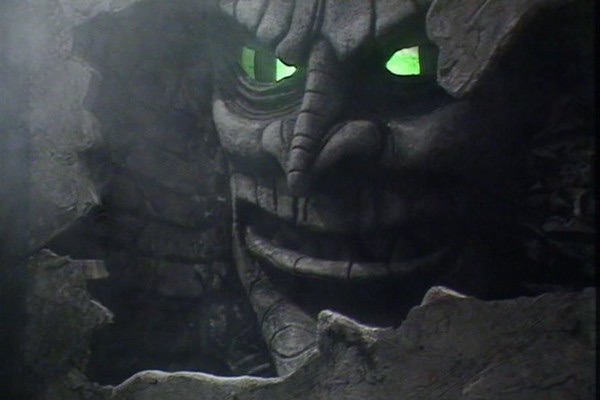
I’ve always enjoyed this story, though wish it was longer – Will, a 16th Century youth brought to the present by Malus, would have made for an interesting Jamie-esque companion but I can understand why they opted against it in the long run. The Malus and its scheme make for a great concept, and the cliffhanger is also very memorable.
4/5
Frontios:
Frontios sees the return of former script editor Christopher H. Bidmead, who weaves a fascinating story that sees the TARDIS seemingly torn apart following a visit to the planet Frontios, where in the far future some of the last surviving humans must contend with colonists disappearing and seemingly into the ground, all whilst meteor showers bombard the planet surface.
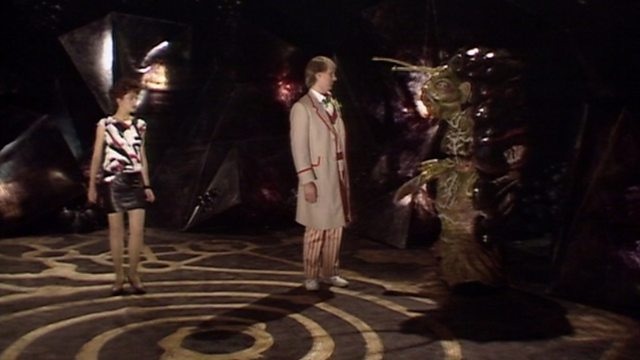
Frontios is notable for giving Davison one of his best scripts for the Fifth Doctor, theTractators who act as the main villains, though fairly static are a worthy threat, and Mark Strickson gets to flex his acting muscles as Turlough suffers PTSD from a past experience with the tunnel-digging menaces.
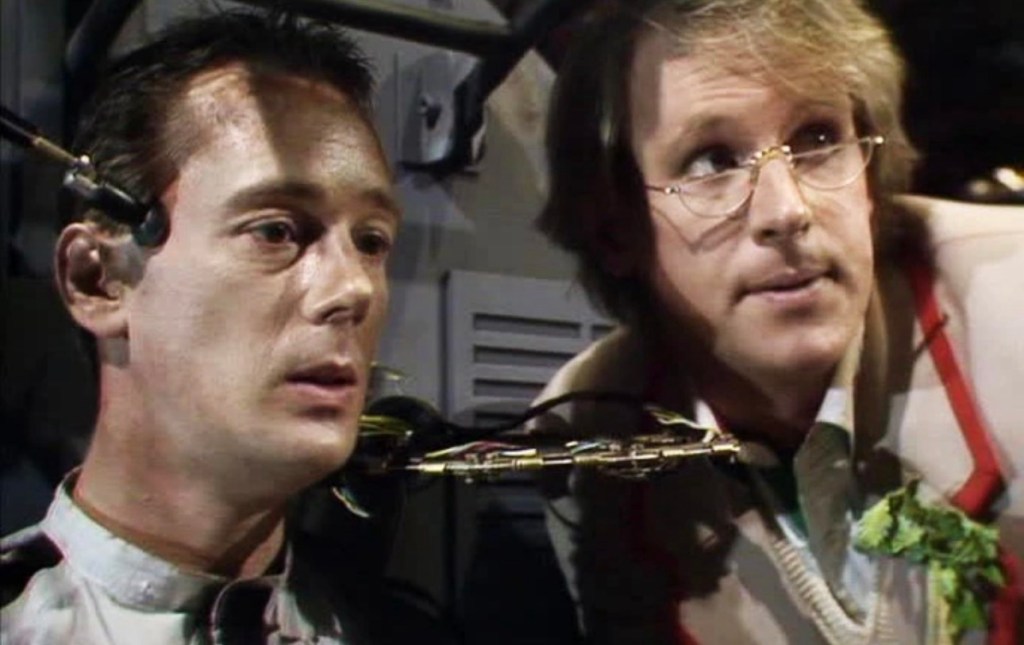
This is one of the most underrated stories of the 1980s, and certainly one of the finest of the Fifth Doctor era. It’s a great shame CHB didn’t get to write again for the series, as his scripts were always worthwhile – makes me even sadder the original season 23 never materialised.
4/5
Resurrection of the Daleks:
Five years following their previous appearance in Destiny of the Daleks, and after a delay to a planned Season 20 appearance, the Daleks finally returned in a special 2 45-minute episode format, owing to the Olympics coverage at the time making it a necessity. This format would soon be adopted for the entirety of the following season.
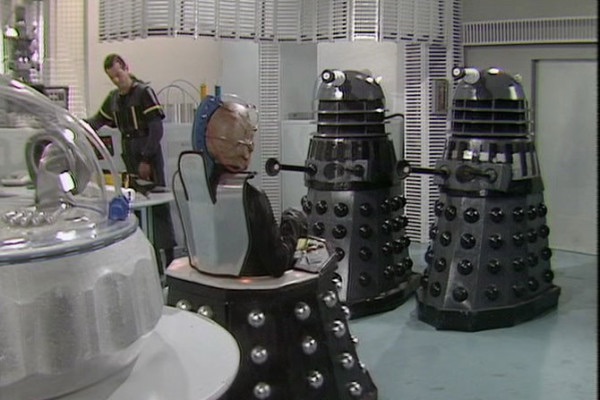
Resurrection is a bloodbath of a story, wherein almost every character introduced dies amongst the turmoil, involving Dalek factions, Davros (now portrayed by Terry Molloy) being resurrected, and duplicates being created with the intent to wipe out Gallifrey’s high council. It apparently has a death toll higher than the firstTerminator film which premiered the same year.
This story is also notable for Tegan’s rather abrupt departure, having been traumatised by the deaths around her – it’s an effective if sudden ending to the serial, which also sets up another character Lytton (Maurice Colbourne) to reappear in the following season.
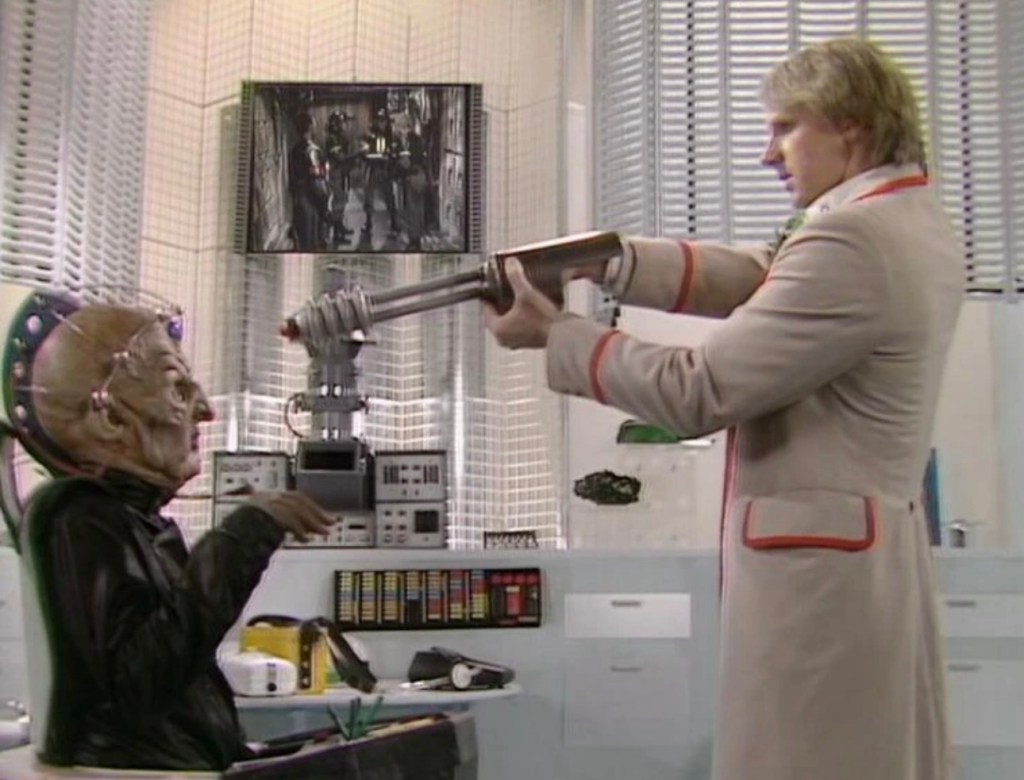
Director Matthew Robinson took the reins in his first story here and he handles the action sequences well, especially the exterior shots at Butler’s Wharf, one of the key settings for the story. Resurrection is also known for being a rather convoluted story in places, and it’s this that holds it back a little amongst the 80s Dalek stories, though against Revelation and Remembrance there’s stiff completion.
3.5/5

Planet of Fire:
From one departure to another, PoF finally sees Turlough’s life beyond the Black Guardian expanded in his final story. During a visit to Lanzarote for some sun Turlough ends up saving a student Peri from drowning, who holds in her possession an artefact from his home planet of Trion.
Following this situation the trio end up visiting the planet Sarn, a volcanic setting wherein the natives worship a volcano as their God. Conveniently enough Lanzarote is also used as a stand-in for the planet, allowing the production team some international filming time which also works rather effectively in the hands of Fiona Cummings as director, who previously helmed Enlightenment in the preceding season.
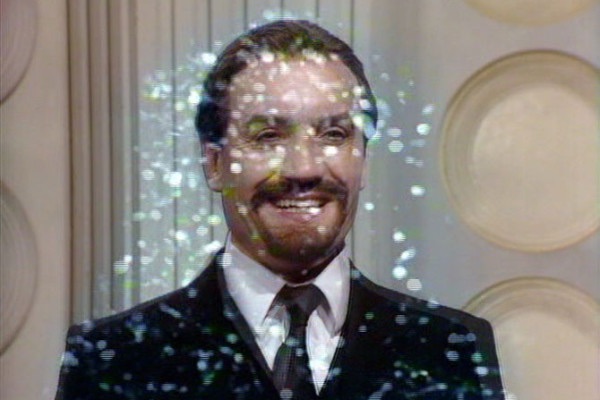
The Master (Anthony Ainley) also makes his then-obligatory seasonal appearance, having accidentally shrunk himself and needing the help of Kamelion (Gerald Flood) in the process to return to normal size, as well has harnessing the volcanic gases of Sarn. If you’d forgotten, and I don’t blame you, Kamelion was introduced at the end of Season 20 as a companion, acting as a shape-shifting robot that the Doctor frees from the Master’s control. Naturally, the robot had a lot of issues and so never appeared again until the character’s departure here. I think the character was a missed opportunity to either just use Gerald Flood as the human form or cast a different actor for season 21 that the robot could transform into but alas it wasn’t to be.
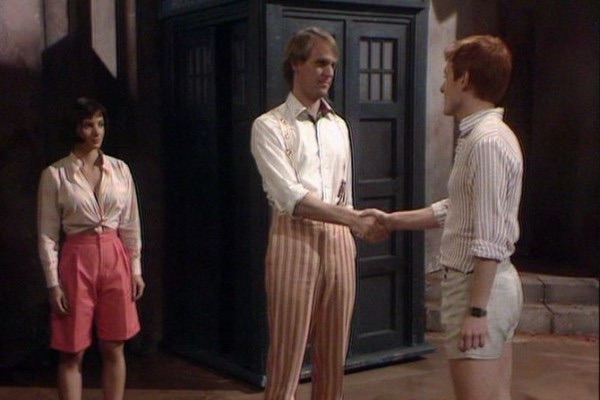
The aforementioned departure of Turlough of here works nicely, as we discover his home planet of Trion, his full name of Vislor Turlough, and a desire to return home to help his people. It’s a solid conclusion to the story, which sees Peri formally join, and though PoF is one of the weaker stories of Season 21, it’s still a good one for the era.
3/5
The Caves of Androzani:
What can really be said about this serial that hasn’t already been expressed. Caves is a triumph in both writing, with Robert Holmes returning to DW after five years, and directing, with Graeme Harper taking the reins for the first time (he had worked on various productions dating back to 1967) before he would go on to direct for both classic and Nu Who.
This is of course notable for being Peter Davison’s final appearance as the Fifth Doctor as he and Peri land on the planet Androzani Minor and become embroiled in a war for control of said planet between the ruthless businessman Morgus (John Normington) and the masked android-builder Sharaz Jek (Christopher Gable), who takes on a Phantom of the Opera style approach to his character.
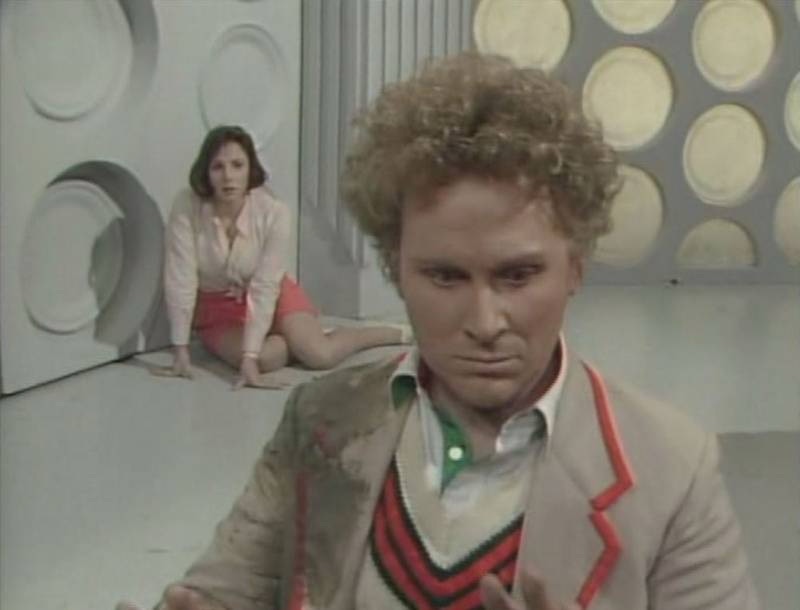
Perhaps the best part of this serial comes from the desperation of the situation – it’s an untenable one that grows worse as both the Doctor and Peri become poisoned by Spectrox, a substance known for life-extending properties when treated, but deadly when handled in its raw form. As Peri is slowly dying the Doctor takes drastic measures to obtain the antidote, Bat’s milk made by the same species that produce the Spectrox, but drops a vial carrying her back to the TARDIS before sacrificing the last vial, and his life to save her, and of course regenerates in the process.
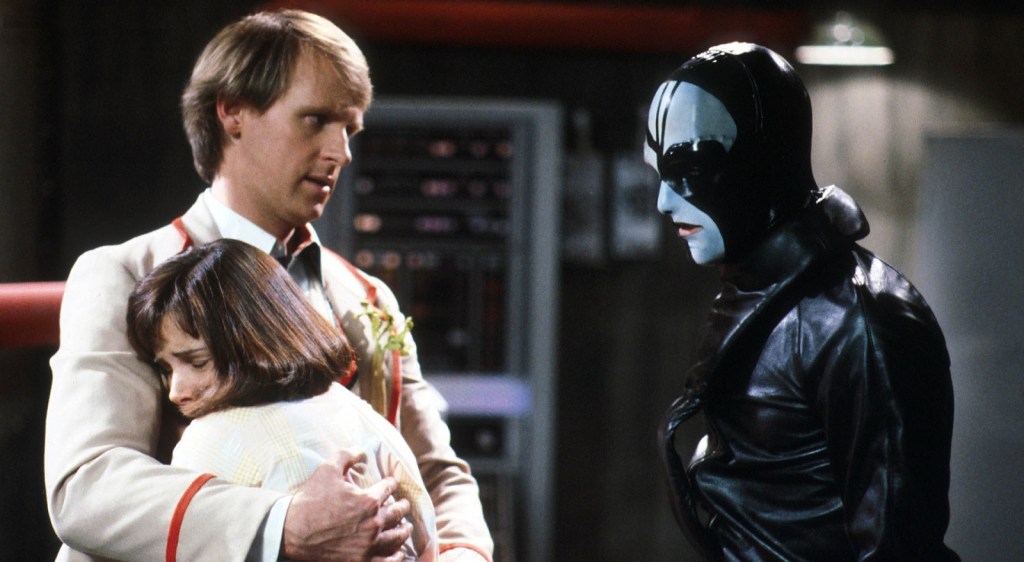
The regeneration sequence here is visceral and fantastic, continuing the morose themes of the prior regeneration, and delivering some fun cameos in the process, as well as some chilling words by an apparition of the Master “Die Doctor!”
This is a fantastic story that truly earns its reputation – and though I perhaps don’t rate it amongst the best of the best, it’s undeniably a triumph for the era, even with that silly-looking Magma Beast in the episode 2 cliffhanger.
4.5/5

The Twin Dilemma:
From one of Doctor Who’s’ highest highs to one of its lowest lows, TTD introduces the Sixth Doctor in a volatile fashion, complete with strangulations and questionable fashion senses.
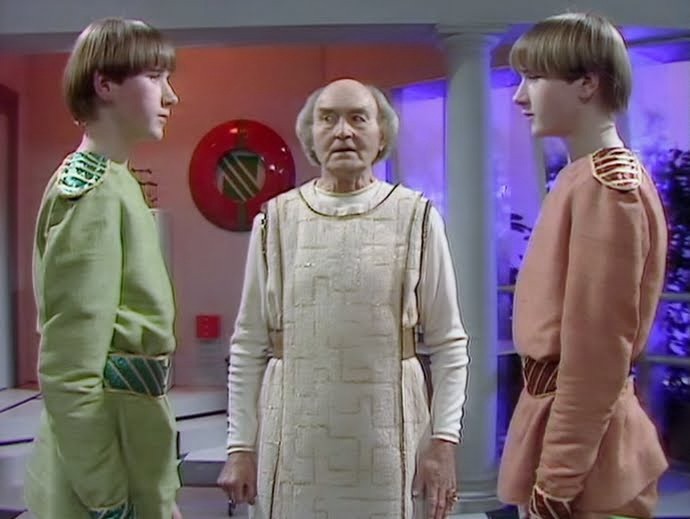
The early scenes with the Sixth Doctor and Peri here don’t lend well to this new incarnation, though the main storyline involving the Doctor wishing to become a hermit, only to end up trying to stop a Gastropod alien from exploding a planet’s sun, as scatter their eggs across the galaxy, oh and there’s twins here.
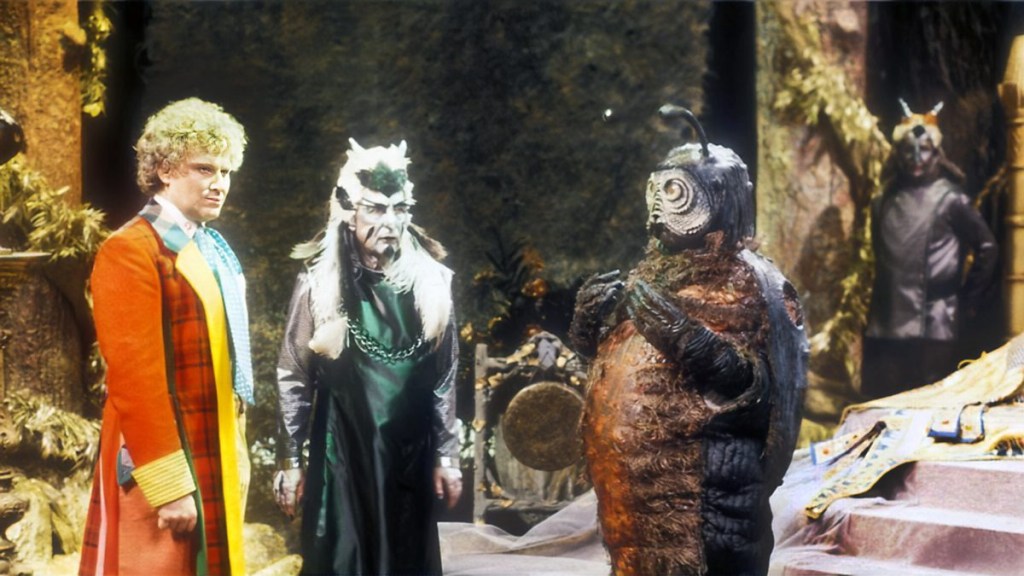
This is an infamous story and deservingly so, where it isn’t damaging the Sixth Doctor’s reputation as he’d barely began it’s going through the motions of a dull storyline that struggles to engage in a meaningful fashion. Baker and Bryant do try their best with what TTD gives them, and Season 22 would considerably improve upon this wobbly introduction to Six, but certain missteps like Six’ peculiar outfit would unfortunately carry over, whether we (or Baker for that matter) liked it, or not.
2/5

Overall:
Best story: The Caves of Androzani
Worst Story: The Twin Dilemma
Must see: Frontios, Resurrection of the Daleks, The Caves of Androzani
Check out Part Two, where we unbox the set, look through the video & audio quality, discuss the special features, and give an overall rating.
By HW Reynolds
Images provided by the BBC
 Reverbium
One thought